
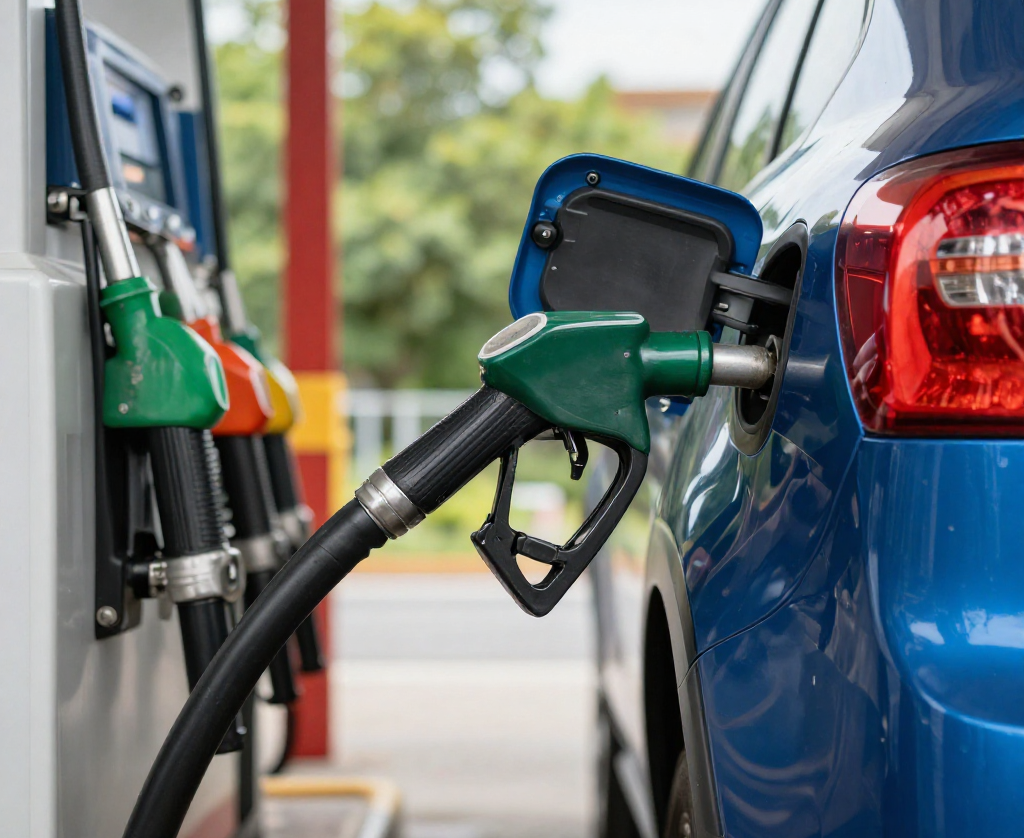
Rising fuel costs can quickly change the outlook for small businesses across Australia and New Zealand. When diesel and petrol prices move up, the impact rarely stays at the fuel pump.
Transport, construction, trades, delivery and many local service businesses feel the pressure first. Higher running costs can tighten margins, complicate fixed-price work and force difficult pricing decisions.
This article looks at how fuel price pressure can ripple through small business operations, customer demand and day-to-day planning.
Why Fuel Costs Matter So Much to Small Businesses
For many small operators, fuel is not a minor expense. It supports deliveries, site travel, machinery, supplier pickups and customer visits.
When fuel prices rise, operating costs rise with them. Larger organisations may have more room to absorb short-term changes. Smaller businesses often feel the squeeze sooner because cash flow is tighter and pricing is harder to adjust quickly. That is why fuel volatility can become a business issue as much as a transport issue.
Industries That Feel the Pressure First
Some sectors are more exposed than others because fuel sits close to the core of how they work.
Transport and logistics
Moving goods costs more when diesel rises. Couriers, freight operators and local delivery businesses may see margins fall unless rates can be reviewed.
Construction and trades
Construction firms and tradespeople often rely on vehicles, tools and site travel. Higher fuel costs can lift the price of getting to work, moving materials and running equipment.
Food, retail and local services
Supply chains and deliveries also become more expensive. Businesses that depend on fresh stock, frequent supplier runs or customer call-outs can feel the effect even if fuel is not their largest single cost.
Fixed-Price Work Makes the Challenge Harder
One of the hardest situations for small business owners is being locked into fixed-price contracts while fuel costs keep changing.
If a quote was based on earlier running costs, a later rise in fuel can reduce profit on work that still has to be completed. That creates cash-flow pressure and uncertainty, especially when payroll, suppliers and rent still need to be paid on time.
Where possible, businesses may need to review quoting methods, contract terms or how future cost movement is handled. Even small planning changes can help reduce surprise pressure.
How Rising Costs Can Affect Customers
When businesses face higher operating costs, some eventually raise service fees or product prices. That decision is rarely easy, especially for local operators who compete on value and relationships.
At the same time, households facing a higher cost of living may spend more carefully. Discretionary purchases can slow down, which adds another challenge for businesses already dealing with rising expenses. The result can be a difficult cycle: higher costs for operators and more cautious spending from customers.
What Small Business Owners Still Have to Manage
Even when fuel prices are unstable, the basics of running a business do not pause.
- Serving customers reliably
- Meeting payroll
- Paying suppliers
- Covering rent, loans or other fixed commitments
- Keeping jobs and deliveries on schedule
That is why many owners focus on practical controls: tighter route planning, clearer quoting, closer monitoring of expenses and more careful marketing spend.
Practical Ways to Stay Visible When Budgets Are Tight
When costs rise, marketing is often one of the first areas under review. Cutting every form of visibility can create its own risk if customers stop seeing the business.
A more useful approach is to focus on channels that support local awareness and clear commercial goals. That may include search, targeted digital campaigns, outdoor advertising in key local areas, or a simpler mix that matches the budget and catchment.
The aim is not to spend more. It is to spend with a clearer purpose so the business stays findable while costs are managed carefully.
Protecting Marketing Visibility When Costs Rise
When fuel and other operating costs climb, marketing budgets often face quick cuts. Pausing every form of visibility can feel responsible in the short term, yet it can also make a small business harder to find just when local customers are comparing options more carefully.
A steadier approach is to protect the visibility that still supports enquiries and local recognition, while trimming activity that does not connect to a clear commercial purpose. That may mean fewer channels, shorter campaigns or tighter targeting - not disappearing entirely. For a wider planning frame, see choosing marketing channels.
Keep the website, contact paths and core local presence in good shape. If people still need your service, they should be able to find you without friction even while your internal costs are under pressure.
Smarter Channel Choices in a High-Cost Period
Rising costs reward clarity. Prefer channels that match how your customers already decide - local awareness where recognition matters, and search where intent is strong. Outdoor can still play a role when corridor or suburb presence supports demand, but only when the site and message are tightly relevant.
Before committing spend, review what you are buying. The benefits of billboard advertising are strongest when location and creative are clear. If you are weighing outdoor, use billboard advertising cost in Australia to understand the moving parts of a quote rather than chasing the lowest headline figure alone.
For some businesses, a focused local outdoor presence plus disciplined digital capture is more efficient than many disconnected promotions. Others may lean harder on search until margins stabilise. The useful test is simple: does this channel help the right local people notice you or find you when they need you?
Frequently Asked Questions About Rising Costs and Marketing Visibility
Should small businesses stop advertising when fuel costs rise?
Not automatically. Review spend carefully, but cutting all visibility can reduce enquiries. Focus on channels with a clear local or commercial role rather than pausing everything at once.
How can marketing stay efficient during cost pressure?
Narrow the mix, keep messages simple and judge each channel by audience fit. Choosing marketing channels with a clear outcome in mind usually beats copying larger competitors.
Is outdoor advertising still worth considering when budgets are tight?
It can be, when the location matches your customers and the creative is easy to understand. Relevance matters more than buying the most expensive inventory. Compare value carefully using a cost guide such as billboard advertising cost in Australia.
What should I protect first in the marketing mix?
Protect the assets that turn interest into contact: a clear website, accurate local listings and the channels that already bring qualified enquiries. Add or keep awareness channels only when they support that path.
Final Thoughts
Rising fuel costs highlight how exposed small businesses can be to pressures outside their control. The impact can move from transport and construction into trades, supply chains, pricing and customer demand.
Owners who plan carefully, watch cash flow closely and keep their marketing focused on real local demand are better placed to manage uncertain periods.
Media Mart helps businesses across Australia and New Zealand explore practical marketing options based on audience, location and campaign goals.