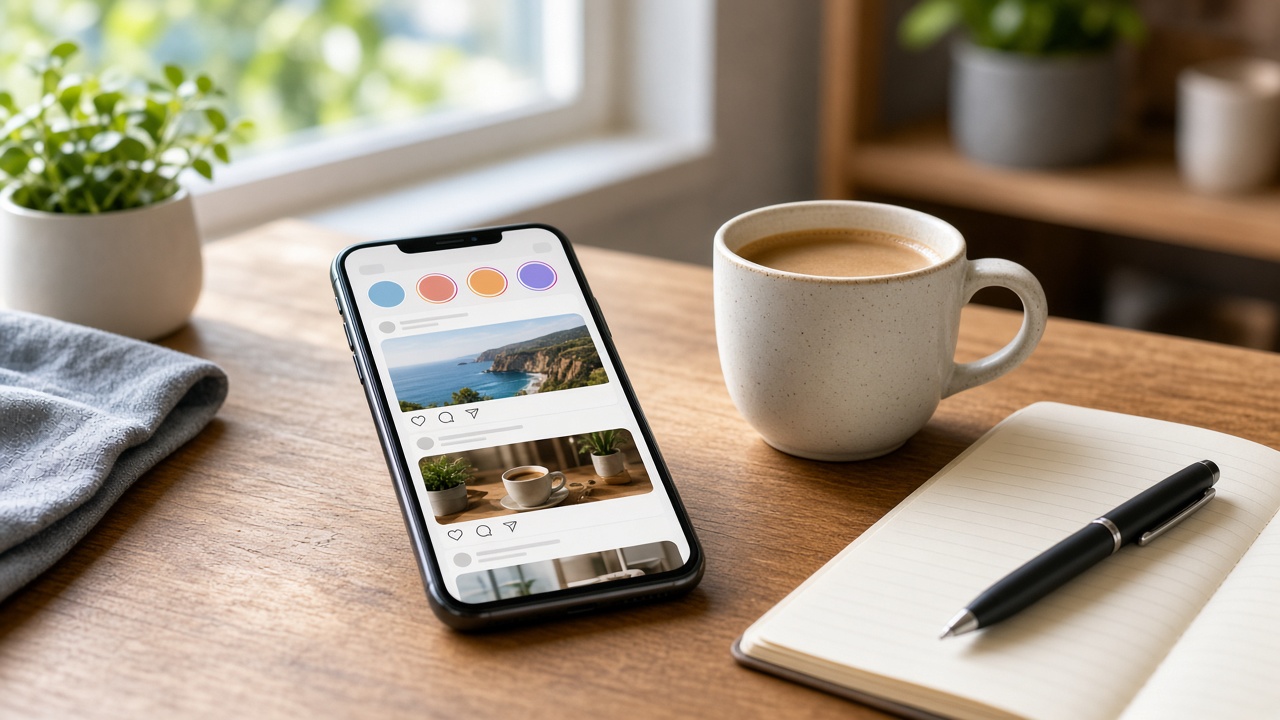
Social media marketing for small businesses is the practice of using platforms such as Facebook, Instagram, LinkedIn or others to build awareness, stay present and encourage engagement with people who may become customers. It is less about posting for the sake of activity, and more about showing up consistently in places your audience already spends time.
For many local and regional brands, social media is where familiarity grows between searches and purchases. This guide covers how to approach organic presence, when paid support helps, and how social connects with branding, content and video.
What Social Media Marketing Involves
Social media marketing usually includes a mix of:
- Profile setup that reflects your brand clearly
- Regular posts that inform, show or invite interaction
- Community responses to comments and messages
- Optional paid campaigns to extend reach
- Simple measurement of what people engage with
You do not need every platform. You need the platforms where your customers are most likely to notice and remember you.
Why Brand Building Matters on Social
Social channels reward recognition. When your visuals, tone and offer feel consistent, people start to associate posts with your business even before they click. That is why branding - logo use, colours, voice and message - should guide social design rather than change every week.
Brand building online is rarely one viral moment. It is repeated useful presence: proof of work, helpful tips, behind-the-scenes clarity and offers that match what you actually deliver.
Choosing Platforms with Purpose
A practical approach:
- Facebook - useful for local communities, events and broader demographic reach
- Instagram - strong for visual brands, lifestyle categories and short-form video
- LinkedIn - often better for B2B services and professional audiences
- Other platforms - only if your audience is clearly active there
Starting with one or two channels done well usually beats a thin presence everywhere.
What to Post Without Overcomplicating It
A simple content mix keeps planning manageable:
- Proof - project photos, finished work, customer stories (with permission)
- Education - short tips that answer common questions
- Offer - promotions, seasonal services or clear calls to enquire
- People - team, process and culture that make you feel real
- Video - demos, walk-throughs and short explainers when they fit
Pair posts with content marketing on your website when a topic needs more depth. Social can introduce the idea; your site can convert interest.
Organic Presence vs Paid Social
Organic posting builds your owned presence and relationships. Paid social can extend reach beyond people who already follow you. For many small businesses, a healthy pattern is consistent organic posting plus selective paid campaigns for launches, events or lead generation.
If you are exploring paid Meta campaigns specifically, read Facebook and Instagram advertising for small businesses. Organic and paid should share the same brand story.
A Practical Weekly Rhythm
- Decide the platforms you will actually maintain
- Batch a small set of posts aligned to your offer
- Schedule or publish consistently rather than in bursts
- Respond to comments and messages promptly
- Note which topics earn saves, shares or enquiries
- Refine the mix based on what your audience responds to
Consistency beats perfection. A clear post on schedule usually outperforms an elaborate plan that never ships.
Common Mistakes Small Businesses Make
- Posting without a clear offer or next step
- Using inconsistent visuals that weaken recognition
- Chasing every trend instead of serving customer questions
- Ignoring messages and comments after posting
- Expecting social alone to replace SEO, ads or a strong website
Turning Attention into Enquiries
Social visibility only helps if people know what to do next. Build simple paths from post to action:
- Link to a clear service or contact page when the platform allows it
- Use profile bios that state what you do and where you operate
- Reply to comments with helpful detail, not only emojis
- Direct message enquiries toward a booking or phone conversation
- Match offers in posts to pages that can convert interest
If your content educates but never invites a next step, you may build awareness without enquiries. If every post is a hard sell, people stop listening. Balance value with clear invitations.
Community Behaviour That Builds Trust
Small businesses often win on responsiveness. Answer questions publicly when useful. Thank people for shares. Clarify misconceptions politely. Over time, that behaviour signals that a real organisation is behind the page.
Also protect brand standards in user-generated moments. Repost customer photos with permission. Keep replies on-brand. Social is public customer service as much as it is publishing.
Planning Content Around Business Realities
Base your calendar on real operations: busy seasons, common objections, new services, project milestones and FAQs from sales calls. That keeps content grounded. Pair still posts with video when motion explains the work better - site walk-throughs, quick demos or process clips.
A practical monthly plan might include a mix of proof posts, educational posts, one offer-led post and one people-or-process post. Adjust the mix to your category rather than copying a generic template.
Social Listening Without Overcomplicating Tools
You do not need a complex listening stack to learn from social. Watch which posts earn saves and shares. Note the questions people ask in comments. Pay attention to competitor themes that resonate - not to copy them, but to understand category expectations. Feed those insights into your next content batch.
Also watch for service issues surfacing publicly. Fast, respectful responses protect brand trust and often turn a public complaint into a demonstration of care. Over time, that responsiveness becomes part of how customers judge your brand online - not only what you publish, but how you behave when someone speaks up.
Employees and Advocates as Brand Amplifiers
Team members who understand the brand can amplify reach naturally when they share workplace stories, project milestones or hiring updates. Give them simple guidelines so posts stay accurate and on-brand. Encouragement works better than forced posting quotas.
Customer advocates matter too. When happy clients share their experience, ask permission before resharing and credit them clearly. That social proof often feels more credible than polished brand-only content, and it gives your social media marketing programme authentic material to build from.
Connecting Social to the Rest of Your Marketing
Social media works best as part of a system. Branding keeps you recognisable. Content and video give you something worth sharing. Your website captures enquiries. Paid social can accelerate reach when timing matters.
Media Mart supports that system through social media marketing and logo creation and branding, helping small businesses present a clearer, more consistent brand online.
Frequently Asked Questions
Do small businesses need social media marketing?
Not every business needs every platform, but many benefit from a focused presence where customers already spend time. Start where your audience is, not where every competitor appears.
How often should a small business post?
Choose a rhythm you can sustain. Regular, useful posts usually beat infrequent bursts followed by silence. Quality and consistency matter more than volume alone.
Should I use paid ads or only organic posts?
Organic builds presence and relationships. Paid can extend reach for specific goals. Many small businesses use both, with paid support for launches or priority campaigns.
How does branding affect social media?
Consistent visuals and voice make your content easier to recognise. Weak branding makes even good posts feel scattered.
Can video help social media marketing?
Yes. Short, clear video often performs well for demos, tips and behind-the-scenes stories. Use it when it helps explain your offer faster than text alone.