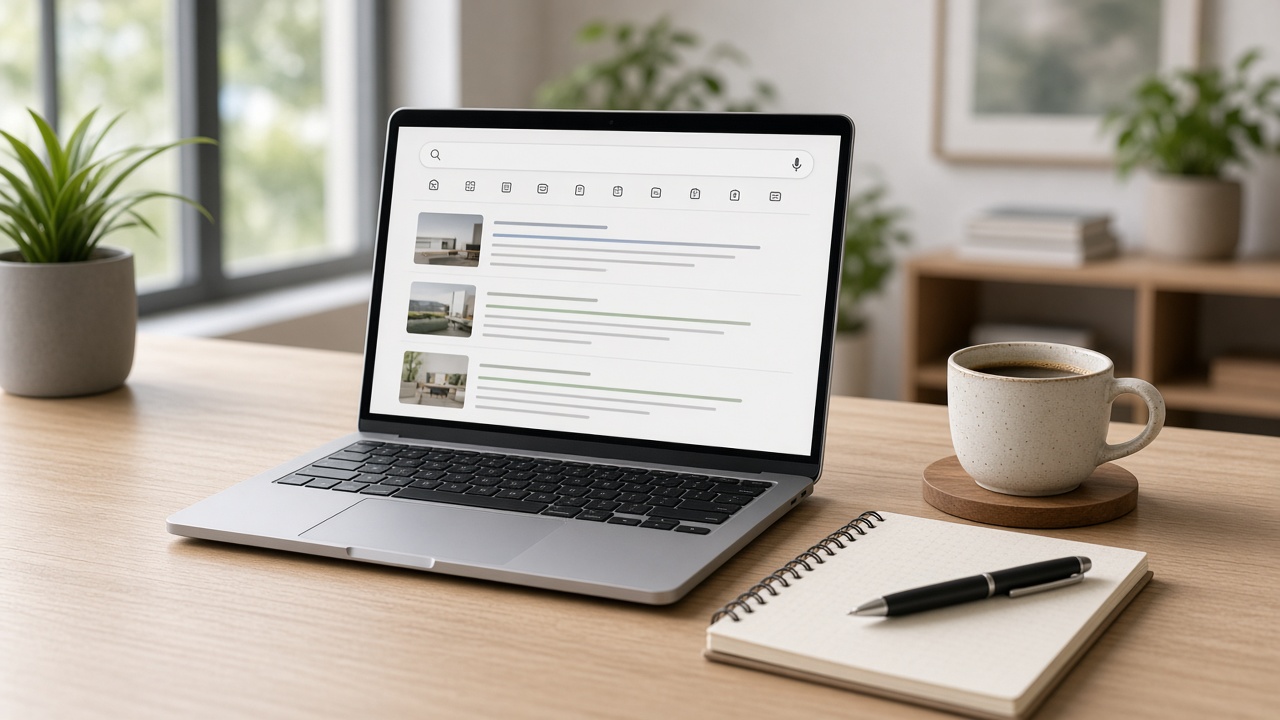
SEO for businesses is the practice of improving how your website appears in unpaid search results. When someone types a question or service into Google, search engines decide which pages are most useful. Search engine optimisation helps your site become a clearer, more relevant answer to those queries.
You do not need to understand every technical detail to grasp why SEO matters. If customers research online before they choose a supplier - and most do - then being findable when they search is part of staying competitive. This guide explains what SEO is, how it works, and where it fits beside other digital marketing channels.
What Is SEO?
SEO stands for search engine optimisation. It covers the work that helps search engines understand your pages and show them to people looking for what you offer. That work can include:
- Clear page titles and headings that match real searches
- Helpful content that answers the question behind the query
- A website structure that is easy to navigate on mobile
- Technical basics such as speed, security and crawlability
- Local signals when you serve a particular area
- Internal links that guide people and search engines through your site
SEO is not a single setting you switch on. It is an ongoing effort to make your site more useful and easier to discover.
How Does SEO Work in Practice?
Search engines crawl pages, index what they find, and rank results for each query. Your role is to publish pages that deserve to be considered, then help search engines interpret them correctly.
1. People search with intent
Someone may search for a service near them, compare options, or look for how-to advice. Each intent needs a different kind of page. A service page suits commercial searches. A guide suits informational ones.
2. Your website needs to match that intent
If your website is vague, slow or hard to use, even good keywords will not save the experience. SEO and website quality are closely linked. Clear service pages, contact paths and mobile-friendly layouts support both users and rankings.
3. Content and structure make relevance clearer
Content marketing often supports SEO because useful articles can answer questions and attract people earlier in their research. Structure matters too: logical URLs, headings and internal links help search engines map your topics.
4. Results build over time
Organic visibility usually grows gradually as pages are published, refined and trusted. That is different from paid ads, which can appear quickly but stop when spend stops. Many businesses use both.
Why Businesses Need SEO
Businesses invest in SEO because search is often where buying research begins. People look for providers, reviews, comparisons and answers before they enquire. If your competitors appear and you do not, you may never enter that shortlist.
SEO also supports long-term discoverability. A useful page can keep attracting visitors after it is published, provided it stays relevant and well maintained. That can complement paid channels and referrals rather than replace them.
SEO vs Google Ads: What Is the Difference?
Both appear on search pages, but they work differently:
- SEO aims for unpaid (organic) visibility through relevance and site quality
- Google Ads places sponsored results based on bidding and ad quality
- SEO typically builds more slowly and can continue without daily ad spend
- Ads can deliver timely presence for specific campaigns or competitive terms
They are not rivals. Many organisations use ads for immediate coverage while SEO strengthens organic presence for core services.
What Good SEO Looks Like Day to Day
Practical SEO usually includes a mix of:
- Keyword research grounded in how customers actually search
- Service and location pages that explain offers clearly
- On-page improvements to titles, meta descriptions and headings
- Technical checks for indexing, speed and mobile usability
- Content that answers real questions without stuffing keywords
- Measurement of which pages attract visits and enquiries
Local businesses often also manage Google Business Profile details, consistent NAP information and reviews, because local pack visibility matters for nearby searches.
Common SEO Myths
- Myth: SEO is only about keywords - Reality: relevance, usefulness and technical health all matter
- Myth: rankings are permanent - Reality: competitors, algorithms and content freshness change results
- Myth: more pages always mean better SEO - Reality: thin or duplicated pages can dilute focus
- Myth: SEO replaces the need for a good website - Reality: poor user experience undermines SEO
Local SEO for Australian and New Zealand Businesses
If you serve a city, suburb or region, local SEO deserves special attention. People often search with location intent - service plus suburb, or "near me" style queries. Helping search engines connect your business to the right place usually involves:
- Clear location and service area wording on relevant pages
- Consistent business name, address and phone details across the web
- A complete Google Business Profile where appropriate
- Service pages that reflect how local customers actually search
- Genuine reviews and local relevance signals over time
Local SEO is still SEO. The difference is emphasis: proximity and local relevance matter more for many service businesses than competing for every national query.
On-Page SEO Essentials Without the Jargon
On-page SEO is the work you do on the page itself so people and search engines can understand it. Focus on:
- One primary topic per page
- A descriptive title and heading hierarchy
- Natural use of the phrases customers actually type
- Helpful supporting detail rather than thin filler
- Internal links to related services and guides
- Images with meaningful file names and alt text where useful
Avoid stuffing keywords into every sentence. Search engines and readers both prefer clear writing that answers the query.
Technical Foundations That Support Visibility
Technical SEO sounds intimidating, but the practical goals are straightforward: help search engines access your pages, and help users experience them without friction. That often includes HTTPS, mobile usability, reasonable load times, clean URL structure, working internal links and an indexable site architecture.
You do not need to become a developer to care about these basics. You do need a website that is not fighting against your SEO efforts.
How to Think About SEO for Your Business
Start with the searches that matter most to your revenue - service terms, local intent and the questions prospects ask before contacting you. Align pages to those intents. Improve clarity and usefulness. Then expand into supporting content where it helps.
If you want a structured approach, Media Mart's search engine optimisation work sits alongside strong website development foundations so your site is ready to be found and trusted when people search.
Frequently Asked Questions
What does SEO stand for?
SEO means search engine optimisation - improving how your website appears in unpaid search results for relevant queries.
Why do businesses need SEO if they already run ads?
Ads and SEO serve different roles. Ads can create timely visibility. SEO builds ongoing organic presence. Many businesses use both so they are not dependent on a single acquisition method.
How long does SEO take?
Timelines vary by competition, site quality and scope. Organic improvements are usually gradual rather than instant, which is why SEO is treated as an ongoing programme.
Is SEO only for large websites?
No. Small and local businesses often benefit from clear service pages, local SEO basics and helpful content that matches how nearby customers search.
Does content marketing help SEO?
Yes, when content answers real questions and supports your core topics. Useful guides can attract research traffic and strengthen topical relevance around your services.